
 English











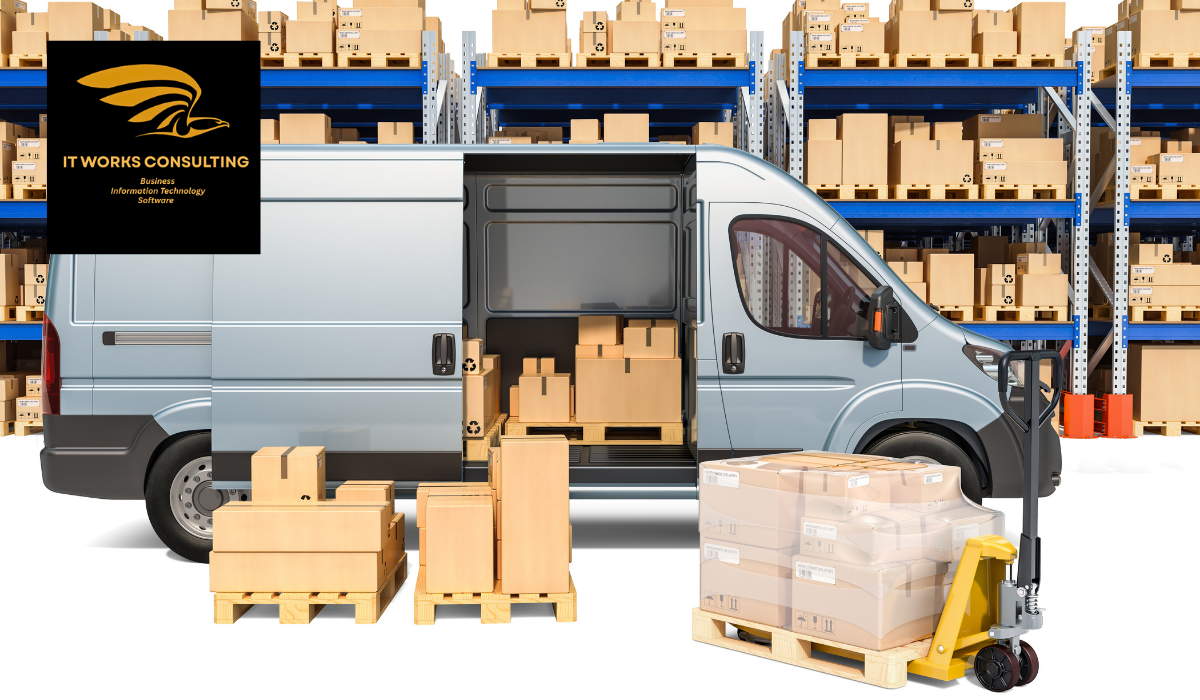
Transportation is the backbone of modern business operations, enabling the movement of raw materials, finished goods, and people across local, regional, and global markets. As globalization accelerates and customer expectations evolve—especially in the era of e-commerce—transportation services have become more complex, technology-driven, and strategically critical than ever before.
Businesses today rely on a wide range of transportation services tailored to their industry needs, delivery timelines, cost constraints, and sustainability goals. From traditional road and rail networks to advanced multimodal logistics and last-mile delivery innovations, transportation is no longer just a support function—it is a competitive differentiator.
This article explores the various types of transportation services used in modern business, their characteristics, use cases, advantages, and emerging trends shaping the future of logistics and supply chains.
1. Road Transportation Services
Overview
Road transportation is the most widely used mode of transport for businesses worldwide. It offers flexibility, accessibility, and cost-effectiveness, especially for short to medium distances.
Types of Road Transportation Services
a. Full Truckload (FTL)
FTL involves transporting goods that occupy an entire truck. It is typically used for large shipments that require direct delivery without intermediate stops.
Key Features:
- Faster transit times
- Reduced handling and damage risk
- Ideal for bulk shipments
Use Cases:
- Manufacturing companies shipping large quantities
- Retail distribution centers
b. Less Than Truckload (LTL)
LTL is used when shipments do not require a full truck. Multiple shipments from different businesses are consolidated into one truck.
Key Features:
- Cost-sharing among multiple shippers
- Suitable for small to medium shipments
- Slightly longer delivery times due to multiple stops
c. Courier and Parcel Services
These services focus on small packages and documents, often with express delivery options.
Key Features:
- Door-to-door service
- Real-time tracking
- Fast delivery (same-day or next-day)
Use Cases:
- E-commerce deliveries
- Document logistics
d. Refrigerated Transport (Cold Chain)
Used for transporting temperature-sensitive goods such as food, pharmaceuticals, and chemicals.
Key Features:
- Temperature-controlled vehicles
- Compliance with safety standards
- Critical for perishable goods
2. Rail Transportation Services
Overview
Rail transport is ideal for moving large volumes of goods over long distances at a lower cost compared to road transport.
Key Characteristics
- High capacity and efficiency
- Lower fuel consumption per ton
- Environmentally friendly compared to road transport
Types of Rail Services
a. Freight Trains
Used for bulk goods such as coal, minerals, agricultural products, and industrial materials.
b. Intermodal Rail
Combines rail with other transportation modes (usually road) using standardized containers.
Advantages:
- Reduced handling costs
- Improved efficiency
- Seamless integration with global supply chains
Use Cases
- Heavy industries (steel, mining)
- Long-distance cargo transport
3. Air Transportation Services
Overview
Air transport is the fastest mode of transportation, ideal for high-value, time-sensitive goods.
Types of Air Cargo Services
a. Express Air Freight
Used for urgent shipments that require rapid delivery.
b. Standard Air Freight
More economical than express but slightly slower.
c. Charter Services
Businesses can charter entire aircraft for large or specialized shipments.
Key Features
- Speed and reliability
- Global reach
- High cost compared to other modes
Use Cases
- Electronics and high-value goods
- Medical supplies and pharmaceuticals
- E-commerce express delivery
4. Maritime (Sea) Transportation Services
Overview
Sea transportation is the most cost-effective method for transporting large volumes of goods internationally.
Types of Maritime Services
a. Container Shipping
Goods are packed in standardized containers, making handling efficient.
b. Bulk Shipping
Used for commodities like oil, grain, and coal.
c. Roll-on/Roll-off (RoRo)
Used for vehicles and machinery that can be driven on and off ships.
Key Features
- Low cost per unit
- Suitable for heavy and bulky goods
- Longer transit times
Use Cases
- International trade
- Import/export businesses
5. Multimodal and Intermodal Transportation
Overview
Modern supply chains often require combining multiple modes of transport to optimize cost, speed, and efficiency.
a. Multimodal Transportation
A single contract covers multiple modes of transport (e.g., road + rail + sea).
b. Intermodal Transportation
Uses standardized containers that can be transferred between modes without unloading goods.
Benefits
- Cost optimization
- Flexibility
- Reduced handling damage
- Improved supply chain efficiency
6. Last-Mile Delivery Services
Overview
Last-mile delivery refers to the final step of delivering goods to the end customer. It has become critical with the rise of e-commerce.
Types of Last-Mile Services
a. Standard Delivery
Delivery within a few days.
b. Same-Day Delivery
Fast delivery within the same day.
c. On-Demand Delivery
Customers choose delivery time slots.
Challenges
- High cost per delivery
- Urban congestion
- Customer expectations
Innovations
- Delivery drones
- Autonomous vehicles
- Micro-fulfillment centers
7. Warehousing and Distribution-Linked Transportation
Overview
Transportation services are often integrated with warehousing and distribution systems.
Types
a. Dedicated Fleet Services
Companies maintain their own fleet for distribution.
b. Third-Party Logistics (3PL)
Outsourcing transportation and logistics to specialized providers.
c. Fourth-Party Logistics (4PL)
End-to-end supply chain management, including transportation strategy.
Benefits
- Scalability
- Cost efficiency
- Expertise in logistics management
8. Pipeline Transportation
Overview
Pipeline transportation is used for transporting liquids and gases such as oil, natural gas, and chemicals.
Key Features
- Continuous flow
- Low operational cost
- High safety standards
Use Cases
- Energy sector
- Chemical industries
9. Specialized Transportation Services
Overview
Certain industries require customized transportation solutions.
Types
a. Heavy Haul Transport
Used for oversized equipment and machinery.
b. Hazardous Material Transport
Requires compliance with strict safety regulations.
c. Livestock Transport
Specialized vehicles for animal welfare.
Importance
- Ensures safety and compliance
- Supports niche industries
10. Digital and Technology-Driven Transportation Services
Overview
Technology is transforming transportation services in modern business.
Key Innovations
a. Transportation Management Systems (TMS)
Software that helps plan, execute, and optimize transportation operations.
b. GPS and Real-Time Tracking
Enhances visibility and customer satisfaction.
c. AI and Predictive Analytics
Used for route optimization, demand forecasting, and cost reduction.
d. Blockchain in Logistics
Improves transparency and security in supply chains.
11. Sustainable and Green Transportation
Overview
Sustainability is becoming a major focus in transportation.
Key Trends
- Electric vehicles (EVs)
- Alternative fuels (hydrogen, biofuels)
- Carbon-neutral shipping initiatives
Benefits
- Reduced environmental impact
- Compliance with regulations
- Improved brand reputation
12. Passenger Transportation in Business Context
While freight transport dominates logistics discussions, passenger transportation also plays a role in business operations.
Types
- Corporate travel services
- Employee shuttle services
- Ride-sharing for business
Importance
- Enhances workforce mobility
- Supports business travel needs
13. Urban Mobility and Smart Transportation
Overview
Urban transportation is evolving with smart city initiatives.
Key Features
- Integrated mobility platforms
- Traffic management systems
- Shared mobility solutions
Impact on Business
- Faster deliveries in cities
- Improved logistics planning
14. Role of Transportation in Supply Chain Strategy
Transportation is not just an operational activity—it is a strategic function.
Key Considerations
- Cost vs speed trade-offs
- Network design
- Risk management
- Customer service levels
Strategic Importance
- Impacts profitability
- Affects customer satisfaction
- Drives competitive advantage
15. Challenges in Modern Transportation Services
Despite advancements, transportation services face several challenges:
a. Rising Fuel Costs
Increases operational expenses.
b. Infrastructure Limitations
Poor roads, ports, and rail networks can delay shipments.
c. Regulatory Compliance
Different countries have varying regulations.
d. Labor Shortages
Shortage of drivers and skilled workforce.
e. Supply Chain Disruptions
Pandemics, geopolitical issues, and natural disasters.
16. Future Trends in Transportation Services
a. Autonomous Vehicles
Self-driving trucks and delivery vehicles.
b. Hyperloop and High-Speed Transport
Revolutionizing long-distance travel.
c. Drone Deliveries
Especially for remote and urban areas.
d. Digital Freight Platforms
Connecting shippers and carriers in real time.
e. Sustainability Innovations
Carbon tracking and green logistics.
Conclusion
Transportation services are a critical pillar of modern business, enabling efficient movement of goods and people across increasingly complex global networks. From traditional road and rail systems to advanced multimodal logistics and digital platforms, businesses today have access to a diverse range of transportation solutions.
Choosing the right type of transportation service depends on several factors, including cost, speed, distance, nature of goods, and customer expectations. As technology continues to evolve and sustainability becomes a priority, transportation services will undergo significant transformation, shaping the future of global commerce.
Organizations that strategically leverage the right mix of transportation services—while embracing innovation and sustainability—will be better positioned to thrive in an increasingly competitive and interconnected world.
-
May 28, 2026 How to Connect a Domain to Your Linux Server
-
May 28, 2026 How to Install WordPress on Linux Hosting
-
May 28, 2026 How to Install WordPress on Linux Hosting
-
May 28, 2026 How to Install WordPress on Linux Hosting