
 English











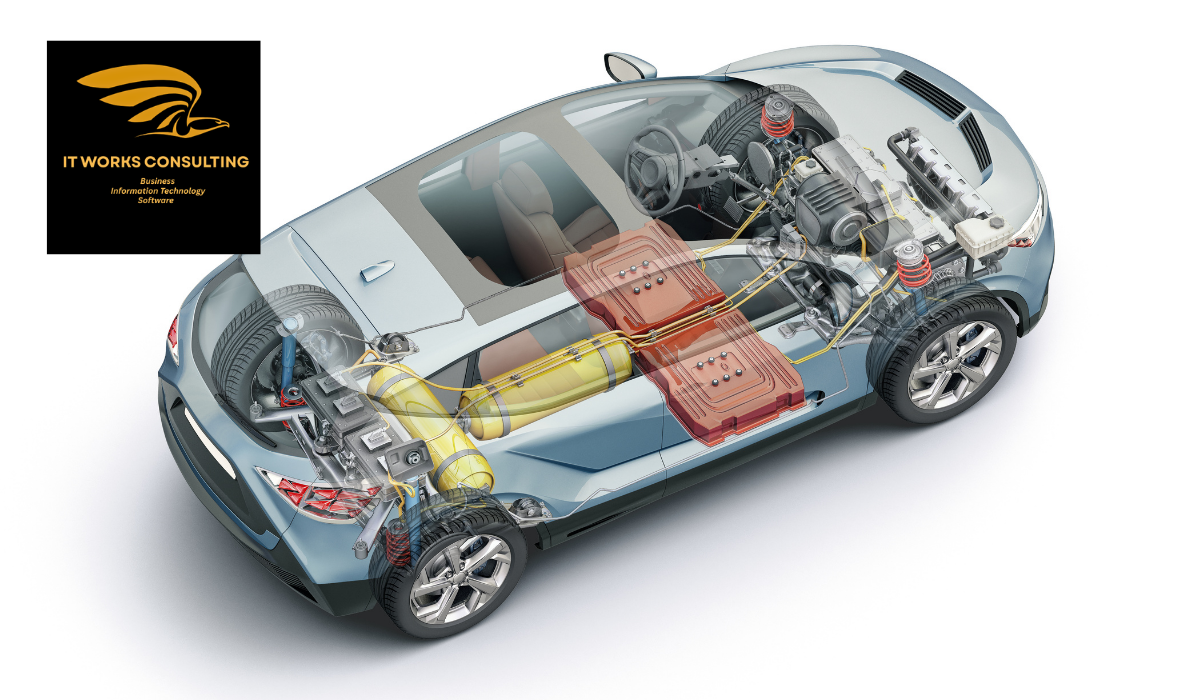
The automotive industry is one of the most complex and interconnected manufacturing ecosystems in the world. Behind every vehicle on the road lies a vast network of companies working together—from design and engineering to manufacturing and distribution. At the core of this ecosystem are three critical layers: Original Equipment Manufacturers (OEMs), Tier 1 suppliers, and Tier 2 suppliers.
Understanding the differences between these entities is essential for anyone involved in automotive manufacturing, supply chain management, procurement, or industry analysis. Each tier plays a unique role, and their collaboration determines the efficiency, cost, quality, and innovation of the final product.
This article provides a comprehensive explanation of OEMs, Tier 1, and Tier 2 suppliers, including their roles, responsibilities, relationships, examples, challenges, and future trends.
1. What Is an OEM (Original Equipment Manufacturer)?
Definition
An Original Equipment Manufacturer (OEM) is a company that designs, manufactures, and sells finished vehicles under its own brand name. OEMs are the face of the automotive industry and interact directly with end customers.
Key Responsibilities
OEMs are responsible for:
- Vehicle design and engineering
- Brand management and marketing
- Final assembly of vehicles
- Quality assurance and compliance
- Distribution and sales networks
- After-sales services
Examples of OEMs
Some well-known automotive OEMs include:
- Toyota
- Volkswagen
- Ford
- Hyundai
- Tata Motors
- General Motors
Core Functions
1. Product Development
OEMs invest heavily in R&D to design vehicles that meet market demand, regulatory standards, and technological trends.
2. System Integration
They integrate components sourced from suppliers into a fully functional vehicle.
3. Supply Chain Management
OEMs manage complex global supply chains involving hundreds or thousands of suppliers.
4. Brand Ownership
OEMs own the customer relationship and brand identity.
Business Model
OEMs typically operate on a high-value, low-margin model, relying on economies of scale and efficient supply chains to remain profitable.
2. What Are Tier 1 Suppliers?
Definition
Tier 1 suppliers are companies that supply fully assembled systems or major components directly to OEMs. They often work closely with OEMs during the design and development phases.
Key Characteristics
- Direct relationship with OEMs
- Provide complete systems or modules
- High level of engineering and technical capability
- Often global operations
Examples of Tier 1 Suppliers
- Bosch
- Denso
- Magna International
- Continental
- ZF Friedrichshafen
Types of Components Supplied
Tier 1 suppliers provide:
- Powertrain systems
- Braking systems
- Infotainment systems
- Seating systems
- Electrical and electronic modules
Responsibilities
1. Design and Engineering Support
Tier 1 suppliers often co-develop systems with OEMs.
2. System Integration
They deliver ready-to-install modules (e.g., complete dashboard systems).
3. Quality and Compliance
Tier 1 suppliers must meet strict OEM standards.
4. Supplier Management
They often manage Tier 2 suppliers.
Strategic Importance
Tier 1 suppliers are critical innovation partners. Many cutting-edge automotive technologies—such as advanced driver assistance systems (ADAS)—are developed by Tier 1 companies.
3. What Are Tier 2 Suppliers?
Definition
Tier 2 suppliers provide components, raw materials, or subassemblies to Tier 1 suppliers rather than directly to OEMs.
Key Characteristics
- Indirect relationship with OEMs
- Focus on specific parts or materials
- Lower level of system integration
- Often specialized manufacturers
Examples of Tier 2 Suppliers
- Steel manufacturers
- Semiconductor companies
- Fastener and casting manufacturers
- Rubber and plastic component producers
Types of Products Supplied
- Electronic chips
- Bearings
- Forgings and castings
- Wiring materials
- Adhesives and coatings
Responsibilities
1. Component Manufacturing
Tier 2 suppliers produce essential parts used in larger systems.
2. Material Supply
They provide raw materials like steel, aluminum, and plastics.
3. Process Innovation
They focus on improving manufacturing efficiency and cost.
Role in the Supply Chain
Though less visible, Tier 2 suppliers are foundational. A disruption at this level can halt production across the entire value chain.
4. The Automotive Supply Chain Structure
Hierarchical Structure
The automotive supply chain is typically structured as:
-
OEM (Top level)
-
Tier 1 Suppliers
-
Tier 2 Suppliers
- Tier 3 Suppliers (raw materials)
-
Tier 2 Suppliers
-
Tier 1 Suppliers
Flow of Goods and Information
- Upstream flow: Raw materials → components → systems → vehicles
- Downstream flow: Vehicles → dealers → customers
- Information flow: Demand forecasts, specifications, and quality requirements
Example of a Supply Chain Flow
- Tier 2 produces steel and electronic components
- Tier 1 assembles braking systems using those components
- OEM integrates braking systems into vehicles
5. Key Differences Between OEM, Tier 1, and Tier 2 Suppliers
| Aspect | OEM | Tier 1 Supplier | Tier 2 Supplier |
|---|---|---|---|
| Relationship | Direct to customers | Direct to OEM | Indirect (via Tier 1) |
| Output | Finished vehicles | Systems/modules | Components/materials |
| Role | Design, assembly, branding | System integration | Component manufacturing |
| Complexity | Highest | High | Moderate |
| Customer Interaction | High | Medium | Low |
| Innovation Role | Strategic | Collaborative | Process-focused |
6. Collaboration Between OEMs and Suppliers
Co-Development
OEMs and Tier 1 suppliers often collaborate during early design stages to:
- Reduce development time
- Improve product performance
- Lower costs
Long-Term Partnerships
OEMs typically maintain long-term relationships with suppliers to ensure:
- Consistent quality
- Supply stability
- Innovation continuity
Supplier Integration
Modern OEMs integrate suppliers into their digital ecosystems using:
- ERP systems
- Supply chain platforms
- Real-time data sharing
7. Challenges Faced by Each Tier
OEM Challenges
- Managing global supply chain complexity
- Increasing electrification and software integration
- Regulatory compliance (emissions, safety)
- Cost pressure and competition
Tier 1 Challenges
- Balancing innovation with cost efficiency
- Dependency on OEM contracts
- Managing Tier 2 supplier risks
- Adapting to electrification and software-defined vehicles
Tier 2 Challenges
- Price pressure from Tier 1 suppliers
- Limited visibility into end demand
- Raw material cost volatility
- Technological disruption (e.g., chip shortages)
8. Impact of Electrification and Digital Transformation
Shift in Supply Chain Dynamics
The rise of electric vehicles (EVs) is reshaping roles across the supply chain.
OEMs
- Investing in battery technology
- Building software capabilities
Tier 1 Suppliers
- Expanding into electronics and software
- Developing EV-specific systems
Tier 2 Suppliers
- Transitioning from mechanical to electronic components
Semiconductor Importance
Modern vehicles require thousands of chips, increasing the importance of Tier 2 semiconductor suppliers.
Software-Defined Vehicles
The shift toward software-centric vehicles is blurring traditional tier boundaries, with some Tier 1 suppliers moving closer to OEM roles.
9. Risk Management in the Automotive Supply Chain
Supply Chain Disruptions
Events such as pandemics, geopolitical tensions, and natural disasters can disrupt supply chains.
Case Example: Semiconductor Shortage
The global chip shortage highlighted the vulnerability of relying heavily on Tier 2 suppliers.
Risk Mitigation Strategies
- Multi-sourcing suppliers
- Nearshoring production
- Increasing inventory buffers
- Digital supply chain visibility
10. Global vs Regional Supply Chains
Globalization
Automotive supply chains are highly global, with components sourced from multiple countries.
Regionalization Trend
Recent trends show a shift toward regional supply chains to:
- Reduce risk
- Improve resilience
- Lower logistics costs
Impact on Suppliers
- Tier 1 suppliers are setting up regional hubs
- Tier 2 suppliers are localizing production
11. Future Trends in OEM and Supplier Relationships
1. Vertical Integration
Some OEMs are bringing critical components in-house, especially:
- Batteries
- Software systems
2. Strategic Partnerships
OEMs are forming alliances with suppliers for:
- EV development
- Autonomous driving technology
3. Digital Supply Chains
Use of technologies like:
- AI and machine learning
- Blockchain
- IoT
4. Sustainability Focus
All tiers are under pressure to:
- Reduce carbon emissions
- Use sustainable materials
- Ensure ethical sourcing
12. Case Study: Automotive Supply Chain in Action
Vehicle Manufacturing Example
- Tier 2 supplies aluminum and microchips
- Tier 1 builds engine control units and body systems
- OEM assembles and markets the final vehicle
Key Insights
- Interdependence is critical
- Delays at one tier affect the entire chain
- Collaboration improves efficiency
13. Importance of Each Tier in Value Creation
OEM Value
- Brand equity
- Customer experience
- Innovation leadership
Tier 1 Value
- System-level innovation
- Engineering expertise
- Integration efficiency
Tier 2 Value
- Cost optimization
- Material innovation
- Manufacturing excellence
14. Tier Expansion: Tier 3 and Beyond
While the focus is on OEM, Tier 1, and Tier 2, the supply chain extends further:
- Tier 3 suppliers provide raw materials
- Tier 4 suppliers may include mining and chemical companies
These lower tiers are critical for resource availability and sustainability.
15. Conclusion
The automotive industry operates through a highly structured yet dynamic supply chain involving OEMs, Tier 1 suppliers, and Tier 2 suppliers. Each plays a distinct but interconnected role:
- OEMs lead with design, branding, and final assembly
- Tier 1 suppliers deliver complex systems and innovation
- Tier 2 suppliers provide essential components and materials
As the industry evolves toward electrification, digitalization, and sustainability, the boundaries between these tiers are becoming more fluid. Collaboration, technological adaptation, and supply chain resilience will define success in the coming years.
Understanding these roles is not just important for industry professionals—it is essential for anyone looking to analyze, invest in, or participate in the automotive ecosystem.
-
May 28, 2026 How to Connect a Domain to Your Linux Server
-
May 28, 2026 How to Install WordPress on Linux Hosting
-
May 28, 2026 How to Install WordPress on Linux Hosting
-
May 28, 2026 How to Install WordPress on Linux Hosting