
 English









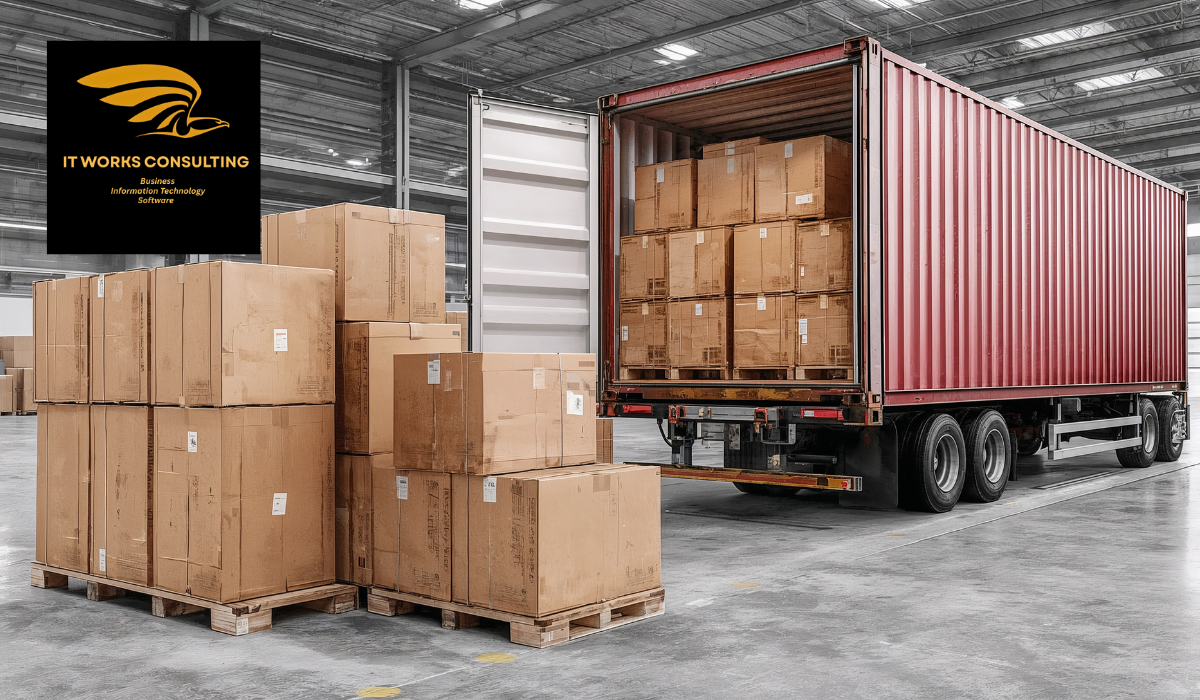
The distribution industry plays a critical role in the global economy by acting as the bridge between manufacturers and end consumers. Without effective distribution systems, even the most innovative products would fail to reach their intended markets. From food and pharmaceuticals to electronics and industrial machinery, distribution ensures that goods move efficiently, safely, and cost-effectively across supply chains.
In today’s fast-paced and highly competitive business environment, distribution has evolved far beyond simple transportation. It now involves complex networks, digital technologies, inventory optimization, demand forecasting, and customer-centric strategies. This article provides a comprehensive overview of how the distribution industry works, covering its structure, processes, key players, technologies, challenges, and future trends.
1. What Is the Distribution Industry?
The distribution industry refers to the network of businesses and processes involved in moving goods from producers (manufacturers) to end users (retailers, businesses, or consumers). It is a core component of supply chain management.
Key Objectives of Distribution:
- Ensure product availability at the right place and time
- Minimize logistics and operational costs
- Maintain product quality and integrity
- Improve customer satisfaction
- Optimize inventory levels
Distribution is not limited to physical goods; it also applies to digital products, though this article focuses primarily on physical distribution.
2. Key Components of the Distribution Industry
The distribution ecosystem is made up of several interconnected components:
2.1 Manufacturers
Manufacturers produce goods and rely on distributors to move products into markets. They often focus on production efficiency and innovation rather than logistics.
2.2 Distributors (Wholesalers)
Distributors purchase goods in bulk from manufacturers and sell them to retailers or businesses. They may also provide value-added services such as:
- Warehousing
- Packaging
- Financing
- Marketing support
2.3 Retailers
Retailers sell products directly to consumers. They depend heavily on distributors for consistent supply.
2.4 Logistics Providers
These include transportation companies, freight forwarders, and third-party logistics (3PL) providers responsible for moving goods across locations.
2.5 Warehouses and Distribution Centers
Storage facilities where goods are received, sorted, stored, and dispatched.
3. Types of Distribution Channels
Distribution channels define how products flow from manufacturers to consumers.
3.1 Direct Distribution
The manufacturer sells directly to consumers without intermediaries.
- Example: Direct-to-consumer (D2C) brands
Advantages:
- Higher profit margins
- Better customer control
Disadvantages:
- Requires strong logistics capabilities
3.2 Indirect Distribution
Involves intermediaries such as distributors and retailers.
Common Structure:
Manufacturer → Distributor → Retailer → Consumer
Advantages:
- Wider market reach
- Reduced burden on manufacturers
Disadvantages:
- Lower margins due to intermediaries
3.3 Hybrid Distribution
Combines direct and indirect channels, often used by large companies.
4. The Distribution Process: Step-by-Step
Understanding how the distribution industry works requires examining the typical flow of goods.
4.1 Procurement and Sourcing
Distributors purchase goods from manufacturers based on demand forecasts, contracts, and market trends.
4.2 Inbound Logistics
Products are transported from manufacturing units to warehouses or distribution centers.
4.3 Warehousing
Goods are stored temporarily until they are needed. Modern warehouses use automation and management systems.
4.4 Inventory Management
Distributors track stock levels to ensure optimal availability while minimizing carrying costs.
4.5 Order Processing
When retailers or customers place orders:
- Orders are received
- Inventory is checked
- Items are picked and packed
4.6 Outbound Logistics
Products are shipped to retailers, businesses, or directly to customers.
4.7 Delivery and Last-Mile Distribution
The final stage involves delivering goods to the end user, often the most complex and costly part.
5. Role of Technology in Distribution
Technology has transformed the distribution industry significantly.
5.1 Warehouse Management Systems (WMS)
Software that helps manage warehouse operations such as:
- Inventory tracking
- Order picking
- Space optimization
5.2 Transportation Management Systems (TMS)
Used for planning, executing, and optimizing transportation.
5.3 Enterprise Resource Planning (ERP)
Integrates distribution processes with finance, procurement, and operations.
5.4 Automation and Robotics
Used in warehouses for:
- Picking and packing
- Sorting
- Material handling
5.5 Data Analytics and AI
Helps in:
- Demand forecasting
- Route optimization
- Inventory planning
6. Types of Distribution Models
6.1 Intensive Distribution
Products are distributed through as many outlets as possible.
- Example: FMCG products
6.2 Selective Distribution
Products are sold through selected outlets.
- Example: Electronics
6.3 Exclusive Distribution
Only one or a few distributors handle the product in a region.
- Example: Luxury goods
7. Importance of Distribution in Business
Distribution is a strategic function that directly impacts business success.
7.1 Market Reach
Expands product availability across regions and demographics.
7.2 Customer Satisfaction
Ensures timely delivery and product availability.
7.3 Cost Efficiency
Optimized distribution reduces transportation and inventory costs.
7.4 Competitive Advantage
Companies with strong distribution networks outperform competitors.
8. Challenges in the Distribution Industry
Despite its importance, the distribution industry faces several challenges:
8.1 Demand Uncertainty
Fluctuating customer demand makes inventory planning difficult.
8.2 Rising Logistics Costs
Fuel prices, labor costs, and infrastructure expenses impact profitability.
8.3 Supply Chain Disruptions
Events such as pandemics, natural disasters, and geopolitical tensions can disrupt operations.
8.4 Inventory Management Issues
Overstocking and stockouts both lead to losses.
8.5 Last-Mile Delivery Complexity
Urban congestion and rural accessibility create delivery challenges.
9. Role of Third-Party Logistics (3PL)
Many companies outsource distribution activities to 3PL providers.
Services Offered by 3PLs:
- Warehousing
- Transportation
- Order fulfillment
- Inventory management
Benefits:
- Cost savings
- Scalability
- Access to expertise
10. Distribution vs Logistics vs Supply Chain
These terms are often used interchangeably but have distinct meanings:
| Aspect | Distribution | Logistics | Supply Chain |
|---|---|---|---|
| Focus | Delivery of goods | Movement & storage | End-to-end flow |
| Scope | Narrow | Medium | Broad |
| Goal | Product availability | Efficient movement | Overall optimization |
11. Global Distribution Networks
Large companies operate global distribution networks involving:
- Multiple warehouses
- Cross-border logistics
- Regional distribution centers
Key Considerations:
- Customs and regulations
- Currency fluctuations
- Transportation infrastructure
12. Sustainability in Distribution
Sustainability is becoming increasingly important.
Key Initiatives:
- Green logistics
- Electric delivery vehicles
- Optimized routing to reduce emissions
- Eco-friendly packaging
13. Future Trends in the Distribution Industry
13.1 E-commerce Growth
Online shopping is driving demand for faster and more efficient distribution systems.
13.2 Same-Day and On-Demand Delivery
Customers expect quicker delivery times.
13.3 Automation and Smart Warehouses
Use of AI, IoT, and robotics will continue to grow.
13.4 Blockchain Technology
Improves transparency and traceability in supply chains.
13.5 Digital Platforms
Marketplace platforms are reshaping distribution models.
14. Real-World Example of Distribution Flow
Consider a consumer electronics company:
- Manufacturer produces smartphones
- Products are shipped to regional warehouses
- Distributors purchase bulk quantities
- Retailers order stock
- Customers buy from stores or online
- Delivery is made through logistics partners
This illustrates how multiple entities collaborate to ensure product availability.
15. Skills Required in the Distribution Industry
Professionals in this industry need a mix of technical and managerial skills:
- Supply chain management
- Data analysis
- Inventory planning
- Negotiation
- Technology proficiency
Conclusion
The distribution industry is a vital backbone of modern commerce, ensuring that goods move seamlessly from producers to consumers. It encompasses a wide range of activities, including warehousing, transportation, inventory management, and last-mile delivery. With the rise of e-commerce, globalization, and digital transformation, distribution has become more complex and strategic than ever before.
Businesses that invest in efficient distribution systems gain a significant competitive advantage through improved customer satisfaction, reduced costs, and expanded market reach. As technology continues to evolve, the distribution industry will become smarter, faster, and more sustainable, shaping the future of global trade.
-
May 28, 2026 How to Connect a Domain to Your Linux Server
-
May 28, 2026 How to Install WordPress on Linux Hosting
-
May 28, 2026 How to Install WordPress on Linux Hosting
-
May 28, 2026 How to Install WordPress on Linux Hosting