
 English







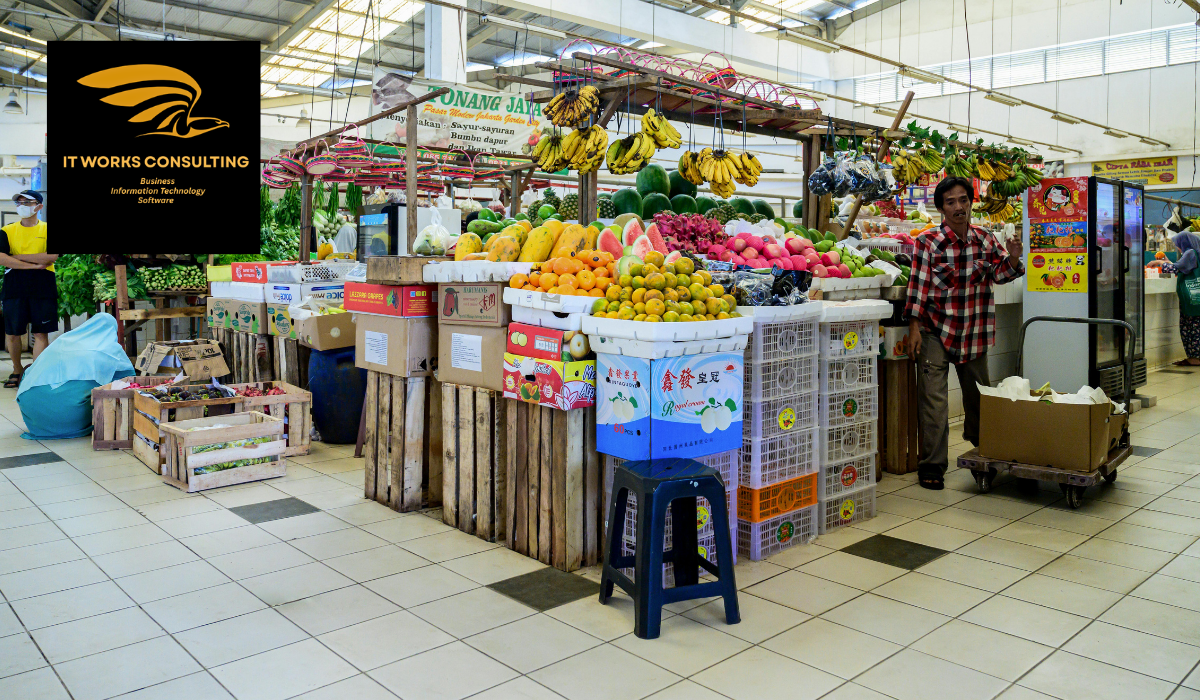
In the modern business ecosystem, products rarely move directly from manufacturers to consumers. Instead, they pass through multiple intermediaries that play specialized roles in ensuring goods are efficiently produced, stored, marketed, and delivered. Three of the most critical components of this supply chain are wholesale, distribution, and retail.
Although these terms are often used interchangeably, they represent distinct functions within the supply chain. Understanding the differences between them is essential for entrepreneurs, supply chain professionals, and anyone involved in commerce.
This article provides a comprehensive explanation of wholesale, distribution, and retail, highlighting their definitions, roles, differences, similarities, and how they interact within the broader supply chain.
1. Understanding the Supply Chain Structure
Before diving into the differences, it is important to understand where wholesale, distribution, and retail fit in the overall supply chain.
A typical product journey looks like this:
Manufacturer → Distributor → Wholesaler → Retailer → Consumer
However, this structure can vary. In some cases:
- Distributors may sell directly to retailers.
- Wholesalers may act as distributors.
- Manufacturers may bypass intermediaries and sell directly.
Each stage adds value in different ways, such as storage, logistics, marketing, or customer engagement.
2. What Is Wholesale?
Definition
Wholesale refers to the business model of purchasing goods in large quantities directly from manufacturers or distributors and selling them in bulk to retailers, businesses, or other institutions at a lower per-unit price.
Key Characteristics
- Bulk purchasing and selling
- Lower prices due to volume
- Limited direct interaction with end consumers
- Focus on storage and inventory management
- Operates on thin margins but high volume
Types of Wholesalers
- Merchant Wholesalers – Buy and own inventory
- Agents and Brokers – Facilitate transactions without owning goods
- Specialized Wholesalers – Focus on specific industries (e.g., pharmaceuticals, electronics)
Example
A wholesaler buys 10,000 units of a product from a manufacturer and sells smaller batches to multiple retailers.
3. What Is Distribution?
Definition
Distribution involves the process of moving goods from manufacturers to various points of sale, including wholesalers, retailers, or directly to consumers. Distributors act as intermediaries responsible for logistics, warehousing, and delivery.
Key Characteristics
- Focus on logistics and transportation
- Often have exclusive rights for certain regions
- Manage supply chain efficiency
- Maintain relationships with manufacturers and retailers
- Provide value-added services like marketing support
Role of Distributors
Distributors are often responsible for:
- Warehousing products
- Managing inventory flow
- Ensuring timely delivery
- Handling returns and replacements
- Supporting marketing and promotions
Example
A distributor for an electronics brand ensures products are delivered to wholesalers and retailers across different cities.
4. What Is Retail?
Definition
Retail refers to the sale of goods directly to end consumers for personal use. Retailers are the final link in the supply chain.
Key Characteristics
- Direct interaction with customers
- Smaller quantities sold
- Higher per-unit prices
- Focus on customer experience and marketing
- Operates through physical stores, online platforms, or both
Types of Retailers
- Brick-and-Mortar Stores – Physical outlets
- E-commerce Retailers – Online platforms
- Department Stores – Wide variety of products
- Specialty Stores – Focused product categories
Example
A clothing store selling individual garments to customers is a retailer.
5. Key Differences Between Wholesale, Distribution, and Retail
1. Position in the Supply Chain
- Distributor: Closest to the manufacturer
- Wholesaler: Middle layer between distributor and retailer
- Retailer: Closest to the end consumer
2. Target Customers
- Distributor: Wholesalers, retailers, sometimes large businesses
- Wholesaler: Retailers and businesses
- Retailer: End consumers
3. Quantity of Goods Sold
- Distributor: Very large volumes
- Wholesaler: Bulk quantities
- Retailer: Small quantities (individual units)
4. Pricing Strategy
- Distributor: Moderate margins
- Wholesaler: Lower margins, high volume
- Retailer: Higher margins per unit
5. Core Function
- Distributor: Logistics and supply chain management
- Wholesaler: Bulk buying and reselling
- Retailer: Customer-facing sales
6. Relationship with Manufacturer
- Distributor: Direct and often exclusive
- Wholesaler: Indirect
- Retailer: Minimal or indirect
7. Value Addition
- Distributor: Transportation, storage, marketing support
- Wholesaler: Breaking bulk into smaller lots
- Retailer: Customer service, branding, experience
6. Comparative Table
| Feature | Distributor | Wholesaler | Retailer |
|---|---|---|---|
| Supply Chain Position | Early stage | Middle stage | Final stage |
| Customers | Wholesalers, retailers | Retailers | End consumers |
| Volume | Very high | High | Low |
| Pricing | Moderate | Low | High |
| Function | Logistics & distribution | Bulk trade | Direct selling |
| Customer Interaction | Low | Low | High |
| Inventory Ownership | Yes | Yes | Yes |
7. How They Work Together
The relationship between distributors, wholesalers, and retailers is highly interconnected.
Step-by-Step Flow
- Manufacturer produces goods
- Distributor receives and stores goods
- Wholesaler purchases in bulk from distributor
- Retailer buys smaller quantities from wholesaler
- Consumer purchases from retailer
This system ensures:
- Efficient product movement
- Reduced burden on manufacturers
- Wider market reach
- Better inventory management
8. Real-World Example
Consider a smartphone company:
- The manufacturer produces smartphones
- The distributor manages logistics and delivers to regional markets
- The wholesaler buys large quantities and supplies to local stores
- The retailer sells individual phones to customers
9. Overlapping Roles in Modern Business
In today’s evolving market, the lines between wholesale, distribution, and retail are becoming blurred.
Examples of Overlap
- Distributors acting as wholesalers
- Wholesalers selling directly to consumers (cash-and-carry)
- Retailers sourcing directly from manufacturers
- E-commerce platforms combining all three roles
Direct-to-Consumer (D2C)
Many manufacturers now bypass intermediaries and sell directly to customers through online platforms, reducing the need for wholesalers and distributors.
10. Advantages and Disadvantages
Wholesale
Advantages:
- Economies of scale
- Lower purchase costs
- Consistent demand from retailers
Disadvantages:
- Thin profit margins
- High storage costs
- Dependency on suppliers
Distribution
Advantages:
- Strong relationships with manufacturers
- Control over logistics
- Regional market expertise
Disadvantages:
- High operational costs
- Complex supply chain management
- Inventory risks
Retail
Advantages:
- Direct customer engagement
- Higher profit margins
- Brand building opportunities
Disadvantages:
- High competition
- Customer service challenges
- Inventory turnover pressure
11. Impact of Technology
Technology has significantly transformed all three sectors.
Wholesale
- Automated inventory systems
- Digital marketplaces
- Bulk ordering platforms
Distribution
- Advanced logistics software
- Real-time tracking
- AI-driven demand forecasting
Retail
- E-commerce platforms
- Digital payments
- Omnichannel retailing
12. Choosing the Right Model
For businesses entering the market, choosing between wholesale, distribution, and retail depends on:
1. Capital Investment
- Distribution requires high investment
- Wholesale requires moderate investment
- Retail can start small
2. Business Goals
- Large-scale operations → Distribution
- Volume-based trading → Wholesale
- Customer engagement → Retail
3. Market Knowledge
- Distribution requires deep logistics knowledge
- Retail requires customer behavior understanding
13. Future Trends
1. E-commerce Integration
Retailers and wholesalers are increasingly moving online.
2. Supply Chain Digitization
Distributors are adopting smart logistics solutions.
3. Direct-to-Consumer Growth
Manufacturers are reducing reliance on intermediaries.
4. Sustainability Focus
All three sectors are adopting eco-friendly practices.
14. Key Takeaways
- Wholesale focuses on bulk buying and selling
- Distribution focuses on logistics and product movement
- Retail focuses on selling to end consumers
Each plays a unique role in ensuring products reach customers efficiently.
Conclusion
Wholesale, distribution, and retail are essential pillars of the global supply chain. While they share the common goal of moving products from manufacturers to consumers, their roles, functions, and business models differ significantly.
Distributors ensure efficient logistics, wholesalers enable bulk trade, and retailers provide customer access. Together, they create a seamless system that supports modern commerce.
Understanding these differences is crucial for businesses aiming to optimize their operations, reduce costs, and improve market reach. As technology continues to reshape the industry, these roles may evolve, but their importance will remain fundamental to the functioning of the global economy.
-
May 28, 2026 How to Connect a Domain to Your Linux Server
-
May 28, 2026 How to Install WordPress on Linux Hosting
-
May 28, 2026 How to Install WordPress on Linux Hosting
-
May 28, 2026 How to Install WordPress on Linux Hosting