
 English











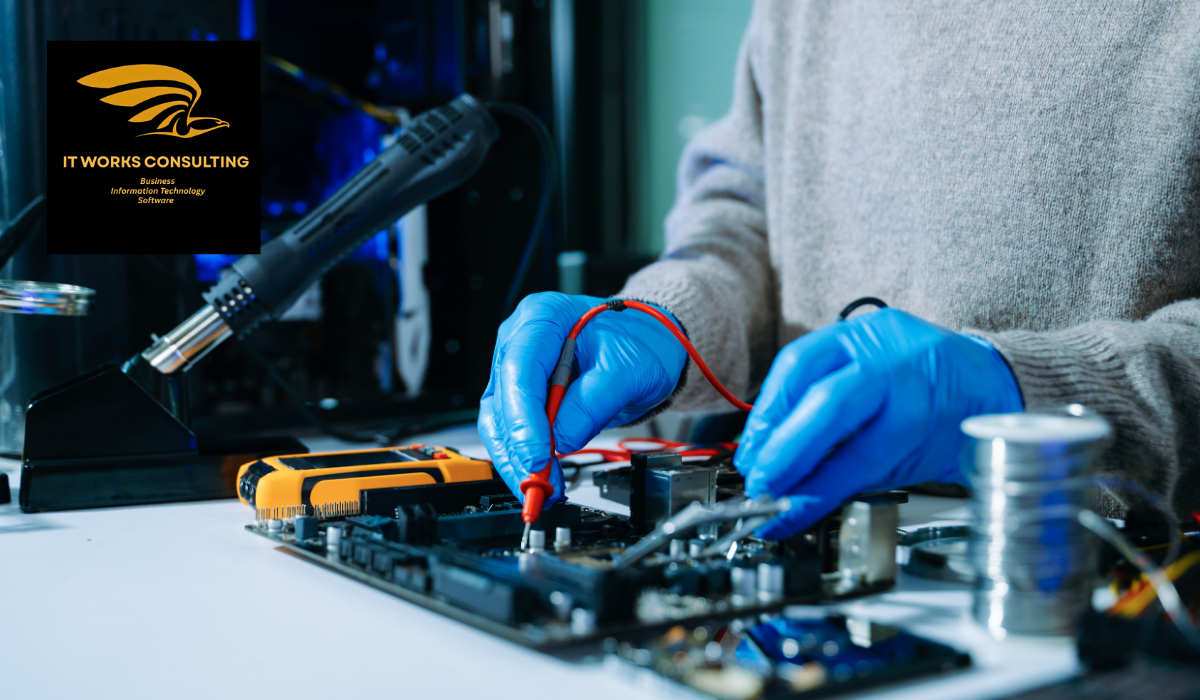
The electronics industry is one of the most dynamic and influential sectors in the global economy. From smartphones and laptops to industrial automation systems and artificial intelligence (AI) infrastructure, electronics power nearly every aspect of modern life.
By 2026, the global electronics manufacturing sector is expected to surpass $2.3 trillion, driven by rapid advancements in AI, electric vehicles (EVs), consumer devices, and smart infrastructure . The industry is no longer just about producing hardware—it is about enabling intelligent ecosystems that integrate software, connectivity, and data.
This guide provides a comprehensive overview of the electronics industry, including:
- Manufacturing processes
- Key electronic components
- Supply chain dynamics
- Emerging technologies
- Future trends shaping 2026 and beyond
2. Overview of the Electronics Industry
2.1 What is the Electronics Industry?
The electronics industry encompasses the design, development, manufacturing, and distribution of electronic devices and components. It includes:
- Consumer electronics (smartphones, TVs, wearables)
- Industrial electronics (automation systems, robotics)
- Automotive electronics (EV systems, ADAS)
- Telecommunications equipment
- Medical electronics
- Aerospace and defense systems
2.2 Industry Structure
The electronics ecosystem is broadly divided into:
- Upstream – Raw materials (silicon, rare earth metals)
- Midstream – Components (semiconductors, capacitors, sensors)
- Downstream – Finished products (phones, computers, appliances)
2.3 Market Growth Drivers
Key factors driving growth include:
- Artificial Intelligence (AI) and cloud computing
- Electrification (EVs, renewable energy systems)
- Internet of Things (IoT)
- 5G and next-gen connectivity
- Automation and Industry 4.0
AI alone is becoming the primary structural growth driver, significantly increasing demand for high-performance chips and data infrastructure .
3. Electronics Manufacturing: Processes & Ecosystem
3.1 Electronics Manufacturing Overview
Electronics manufacturing involves converting raw materials and components into finished electronic products. It requires high precision, automation, and strict quality control.
Key manufacturing models:
- OEM (Original Equipment Manufacturer)
- ODM (Original Design Manufacturer)
- EMS (Electronics Manufacturing Services)
3.2 Key Manufacturing Processes
1. Semiconductor Fabrication
- Wafer production
- Photolithography
- Etching and doping
- Packaging and testing
Semiconductors are the “brains” of all electronic devices and form the foundation of the industry.
2. PCB (Printed Circuit Board) Assembly
- Surface Mount Technology (SMT)
- Through-hole assembly
- Automated optical inspection (AOI)
3. Product Assembly
- Integration of components into final devices
- Mechanical assembly
- Software installation
4. Testing & Quality Assurance
- Functional testing
- Environmental testing
- Reliability and lifecycle testing
3.3 Smart Manufacturing in 2026
Modern electronics manufacturing is being transformed by:
- AI-driven quality control
- Predictive maintenance
- Robotics and automation
- Digital twins
Factories are becoming data-driven and autonomous, improving efficiency and reducing defects .
4. Key Electronic Components
Electronic components are the building blocks of all devices. They fall into several categories:
4.1 Semiconductors
- Microprocessors (CPUs, GPUs)
- Memory (DRAM, NAND)
- Integrated Circuits (ICs)
Semiconductors are the most critical and high-value components, driving innovation across all industries.
4.2 Passive Components
- Capacitors
- Resistors
- Inductors
These components regulate voltage, current, and signal flow.
4.3 Electromechanical Components
- Connectors
- Switches
- Relays
They enable physical interaction and connectivity.
4.4 Sensors
Sensors are essential for IoT and smart devices:
- Temperature sensors
- Motion sensors
- Pressure sensors
- Image sensors
4.5 Power Components
- Power ICs
- MOSFETs
- Power modules
With the rise of EVs and renewable energy, power electronics demand is growing rapidly.
4.6 Advanced Components (2026 Trends)
- SiC (Silicon Carbide) & GaN (Gallium Nitride) devices
- High-bandwidth memory (HBM)
- Advanced packaging (2.5D, 3D ICs)
These technologies enable higher efficiency, speed, and miniaturization .
5. Electronics Supply Chain
5.1 Supply Chain Structure
The electronics supply chain is complex and global:
- Raw material suppliers
- Component manufacturers
- Distributors
- OEMs/EMS providers
- Retailers and end-users
5.2 Key Challenges
- Semiconductor shortages (2021–2024 cycle)
- Geopolitical tensions
- Logistics disruptions
- Demand volatility
By 2026, supply chains are stabilizing, with lead times improving to 16–24 weeks from earlier peaks .
5.3 Regionalization & Nearshoring
Companies are shifting production closer to end markets:
- India emerging as a manufacturing hub
- Southeast Asia gaining importance
- US and Europe investing in domestic chip production
Recent developments show India exporting billions in electronic components, signaling a shift in global supply dynamics .
5.4 Digital Supply Chains
- Real-time inventory tracking
- AI-based demand forecasting
- Blockchain for traceability
Supply chains are becoming more transparent and resilient.
6. Technology Trends Shaping the Electronics Industry
6.1 Artificial Intelligence (AI)
AI is revolutionizing:
- Chip design
- Manufacturing processes
- Consumer devices
- Data centers
AI-driven demand is pushing semiconductor innovation and capacity expansion .
6.2 Internet of Things (IoT)
Billions of connected devices require:
- Sensors
- Connectivity modules
- Edge computing chips
IoT is expanding across smart homes, cities, and industries.
6.3 5G and Connectivity
5G enables:
- Faster data speeds
- Low latency
- Massive device connectivity
This drives demand for advanced RF components and network infrastructure.
6.4 Advanced Packaging & Chiplets
- 2.5D and 3D packaging
- System-in-Package (SiP)
- Chiplet architectures
These technologies improve performance and reduce costs.
6.5 Power Electronics & Electrification
Electrification trends include:
- Electric vehicles
- Renewable energy systems
- Smart grids
Wide-bandgap semiconductors (SiC, GaN) are critical for efficiency gains.
6.6 Miniaturization & Integration
Devices are becoming:
- Smaller
- More powerful
- Energy-efficient
This requires high-density components and advanced manufacturing.
6.7 Automation & Industry 4.0
- Smart factories
- Robotics
- Industrial IoT
Manufacturing is becoming autonomous and highly optimized.
7. Applications of Electronics Across Industries
7.1 Consumer Electronics
- Smartphones
- Laptops
- Wearables
- Smart home devices
7.2 Automotive Electronics
- EV power systems
- Advanced driver assistance systems (ADAS)
- Infotainment systems
7.3 Industrial Electronics
- Robotics
- Automation systems
- Sensors and control systems
7.4 Healthcare Electronics
- Medical imaging
- Wearable health devices
- Remote monitoring systems
7.5 Aerospace & Defense
- Radar systems
- Avionics
- Communication systems
8. Sustainability in the Electronics Industry
8.1 Environmental Challenges
- E-waste
- Energy consumption
- Resource depletion
8.2 Sustainable Practices
- Recycling and circular economy
- Energy-efficient designs
- Green manufacturing processes
8.3 Circular Electronics
Companies are adopting:
- Repairable designs
- Modular products
- Reuse of components
Sustainability is becoming a competitive advantage.
9. Challenges Facing the Electronics Industry
9.1 Supply Chain Risks
Despite improvements, disruptions remain a concern.
9.2 Talent Shortage
Advanced manufacturing requires skilled engineers and technicians.
9.3 Rapid Technological Change
Companies must continuously innovate to stay competitive.
9.4 Regulatory & Geopolitical Issues
Trade policies and export restrictions impact global operations.
9.5 Cost Pressures
Rising material and energy costs affect profitability.
10. Future Trends in the Electronics Industry (2026 & Beyond)
10.1 AI-Driven Everything
AI will be embedded in all devices and systems.
10.2 Edge Computing Growth
Processing will move closer to data sources.
10.3 Smart Infrastructure
Cities and industries will become fully connected.
10.4 Advanced Materials
New materials like GaN and SiC will dominate power electronics.
10.5 Autonomous Manufacturing
Factories will operate with minimal human intervention.
10.6 Digital Twins & Simulation
Virtual models will optimize design and production.
10.7 Growth of Emerging Markets
Countries like India will play a major role in global manufacturing.
Government initiatives aim to scale electronics production significantly in the coming years .
11. Strategic Insights for Businesses
11.1 Focus on Innovation
Invest in R&D for advanced technologies.
11.2 Build Resilient Supply Chains
Diversify suppliers and regions.
11.3 Embrace Digital Transformation
Adopt AI, automation, and data analytics.
11.4 Prioritize Sustainability
Implement eco-friendly practices.
11.5 Develop Talent
Upskill workforce for advanced manufacturing.
12. Conclusion
The electronics industry in 2026 is undergoing a profound transformation. It is no longer just about producing devices—it is about building intelligent, connected ecosystems that power the modern world.
Key takeaways:
- AI and electrification are the biggest growth drivers
- Advanced components and packaging are reshaping design
- Supply chains are becoming more resilient and regional
- Sustainability is a critical priority
- Emerging markets like India are gaining global importance
As technology continues to evolve, the electronics industry will remain at the forefront of innovation, shaping the future of industries, economies, and everyday life.
-
May 28, 2026 How to Connect a Domain to Your Linux Server
-
May 28, 2026 How to Install WordPress on Linux Hosting
-
May 28, 2026 How to Install WordPress on Linux Hosting
-
May 28, 2026 How to Install WordPress on Linux Hosting