
 English








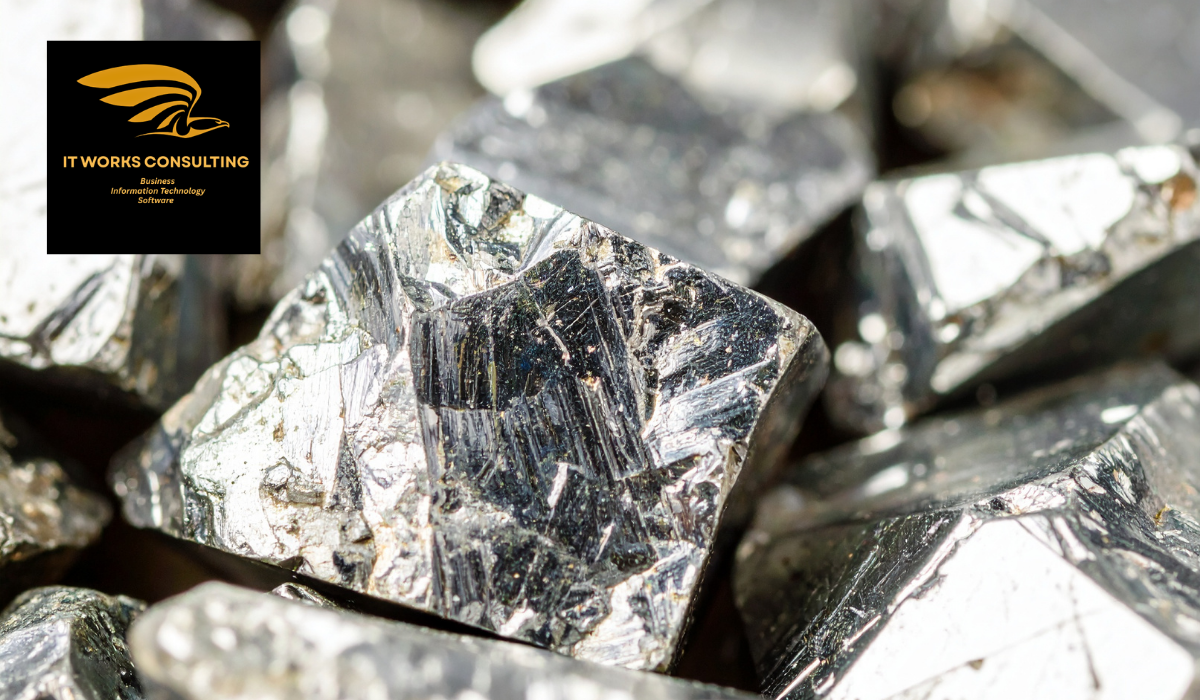
The metal and mining industry forms the foundation of modern civilization. From infrastructure and transportation to electronics and renewable energy systems, metals are essential to nearly every economic sector. Iron and steel support construction, copper powers electrical systems, and rare earth elements enable advanced technologies like electric vehicles (EVs), wind turbines, and semiconductors.
In 2026, the industry stands at a critical crossroads. It must simultaneously:
- Meet surging global demand for metals
- Address environmental and social concerns
- Navigate geopolitical risks and supply chain disruptions
- Embrace digital transformation and sustainability
The transition toward clean energy alone is dramatically increasing demand for minerals such as lithium, cobalt, nickel, and copper. For example, lithium demand has surged by over 200% in recent years due to battery technologies.
This guide explores every stage of the metal and mining value chain—from extraction to sustainability—and highlights future trends shaping the industry in 2026 and beyond.
2. Overview of the Metal & Mining Industry
2.1 What Is the Metal & Mining Industry?
The metal and mining industry involves:
- Exploration: Identifying mineral deposits
- Extraction: Removing ores from the earth
- Processing: Converting ores into usable metals
- Distribution: Supplying materials to industries
It includes both:
- Ferrous metals (iron, steel)
- Non-ferrous metals (copper, aluminum, gold, lithium)
2.2 Importance in the Global Economy
Mining has historically been “the bedrock of the global economy,” supporting urbanization, industrialization, and technological advancement.
Key industries dependent on mining:
- Construction and infrastructure
- Automotive and EV manufacturing
- Energy (oil, gas, renewables)
- Electronics and semiconductors
- Aerospace and defense
3. Metal Extraction: From Exploration to Mining
3.1 Exploration and Resource Identification
Before mining begins, companies conduct:
- Geological surveys
- Remote sensing and satellite imaging
- Drilling and sampling
Technologies like AI and geospatial analytics are increasingly used to improve discovery success rates.
3.2 Types of Mining Methods
3.2.1 Surface Mining
- Open-pit mining (iron ore, copper)
- Strip mining (coal, bauxite)
Advantages:
- Lower cost
- Higher production rates
Disadvantages:
- Environmental impact
- Land degradation
3.2.2 Underground Mining
- Shaft mining
- Drift mining
Used for deeper deposits such as gold and rare minerals.
3.2.3 In-Situ Mining
- Extracts minerals without removing rock
- Used for uranium and some lithium deposits
3.3 Key Challenges in Extraction
- Declining ore grades (e.g., copper grades down ~40% since 1991)
- Long project timelines (often 10–15+ years)
- Environmental permitting delays
- Rising operational costs
4. Metal Processing & Refining
After extraction, raw ore must be processed into usable metal.
4.1 Crushing and Grinding
Ore is broken down into smaller particles to increase surface area for processing.
4.2 Beneficiation
Processes used to separate valuable minerals:
- Flotation
- Gravity separation
- Magnetic separation
4.3 Pyrometallurgy
High-temperature processes:
- Smelting
- Roasting
Used for metals like iron, copper, and nickel.
4.4 Hydrometallurgy
Chemical processes using aqueous solutions:
- Leaching
- Solvent extraction
- Electrowinning
Advantages:
- Lower energy consumption
- Better for low-grade ores
4.5 Electrometallurgy
Uses electrical energy to refine metals:
- Aluminum production
- Copper refining
5. The Metal & Mining Supply Chain
5.1 Key Stages
- Extraction (Mining)
- Processing (Refining & Smelting)
- Manufacturing Inputs
- Distribution & Logistics
- End-Use Industries
5.2 Supply Chain Challenges
5.2.1 Geographic Concentration
Processing is heavily concentrated:
- China dominates lithium refining
- Indonesia leads nickel processing
5.2.2 Geopolitical Risks
- Trade restrictions
- Export controls
- Resource nationalism
5.2.3 Long Lead Times
New mining projects take decades to develop.
5.2.4 Supply-Demand Imbalance
Critical minerals face potential shortages due to rapid demand growth.
5.3 Strategic Shifts in 2026
- Localization of supply chains
- Long-term offtake agreements
- Vertical integration across value chains
- Increased government involvement
Supply chains are evolving from purely cost-driven models to security-focused and resilience-driven systems.
6. Sustainability in the Metal & Mining Industry
Sustainability is no longer optional—it is central to industry survival.
6.1 Environmental Challenges
6.1.1 Carbon Emissions
Mining contributes 4–7% of global emissions.
6.1.2 Water Usage
Mining operations consume significant water resources.
6.1.3 Waste and Tailings
- Toxic byproducts
- Risk of dam failures
6.1.4 Land Degradation
- Deforestation
- Biodiversity loss
6.2 Sustainable Mining Practices
6.2.1 Decarbonization
- Electrification of mining fleets
- Renewable energy integration
6.2.2 Water Management
- Recycling water
- Dry processing technologies
Example: Companies are moving toward eliminating water use in ore processing through dry methods.
6.2.3 Circular Mining
- Recycling metals from waste (urban mining)
- Reprocessing tailings
Recycling is critical because many metals can be reused almost indefinitely.
6.2.4 ESG (Environmental, Social, Governance)
- Community engagement
- Ethical sourcing
- Worker safety
6.3 Social Impact
Mining can:
- Create jobs and economic growth
- But also cause displacement and environmental harm
Balancing economic benefits with community welfare is a major challenge.
7. Technology Transforming the Industry
7.1 Automation and Robotics
- Autonomous trucks and drilling systems
- Reduced labor costs
- Improved safety
7.2 Artificial Intelligence (AI)
- Predictive maintenance
- Ore grade optimization
- Exploration modeling
7.3 Digital Twins
Virtual replicas of mining operations for:
- Simulation
- Efficiency improvements
7.4 Biomining
Uses microorganisms to extract metals:
- Lower environmental impact
- Suitable for low-grade ores
7.5 Advanced Processing Technologies
- Improved recovery rates
- Reduced waste generation
Innovation in mining patents has increased significantly, reflecting growing technological adoption.
8. Key Metals Driving the Future
8.1 Iron Ore and Steel
- Backbone of construction and infrastructure
8.2 Copper
- Essential for electrification and renewable energy
- Demand driven by EVs and grid expansion
8.3 Lithium, Cobalt, and Nickel
- Critical for batteries and energy storage
Demand for these materials has surged dramatically due to the energy transition.
8.4 Rare Earth Elements
- Used in wind turbines, electronics, and defense systems
9. Economic and Market Dynamics
9.1 Commodity Price Volatility
Prices fluctuate due to:
- Supply-demand imbalance
- Geopolitical tensions
- Currency movements
9.2 Investment Trends
- Increasing capital investment for energy transition
- Estimated $850 billion needed by 2030
9.3 Market Concentration
- Few countries dominate supply chains
- Creates risks of disruption
10. Challenges Facing the Industry
10.1 Declining Ore Quality
Higher costs and lower yields.
10.2 Environmental Regulations
Stricter laws increase compliance costs.
10.3 Community Opposition
Local resistance to mining projects.
10.4 Workforce Shortages
Need for skilled labor in digital mining.
10.5 Supply Chain Disruptions
Global events impacting logistics and production.
11. Future Trends in the Metal & Mining Industry (2026 and Beyond)
11.1 Energy Transition-Driven Demand
Mining will extract more materials in the next 30 years than ever before.
11.2 Circular Economy & Recycling
- Urban mining
- Closed-loop supply chains
11.3 Decarbonization and Green Mining
- Net-zero targets
- Electrification of operations
11.4 Digital Transformation
- AI, IoT, and automation
- Smart mining operations
11.5 Supply Chain Localization
Countries are prioritizing domestic production of critical minerals.
11.6 Strategic Partnerships
- Long-term contracts
- Joint ventures across value chains
11.7 Innovation in Processing
- Low-emission refining technologies
- Bio-based extraction methods
12. Opportunities for Businesses
12.1 Investment Opportunities
- Critical minerals (lithium, copper, rare earths)
- Recycling and circular mining
12.2 Technology Providers
- AI solutions
- Automation systems
- Sustainability technologies
12.3 ESG-Focused Companies
Growing demand for ethical and sustainable sourcing.
13. Conclusion
The metal and mining industry is undergoing a profound transformation. Once defined by extraction and heavy industry, it is now evolving into a technology-driven, sustainability-focused, and strategically critical sector.
Key takeaways:
- Demand for metals is accelerating due to the energy transition and digital economy
- Supply chains are becoming more complex and geopolitically sensitive
- Sustainability and ESG practices are central to future success
- Technology is reshaping every stage of the value chain
As the world moves toward a low-carbon and digitally connected future, the metal and mining industry will remain indispensable—providing the essential materials that power progress.
-
May 28, 2026 How to Connect a Domain to Your Linux Server
-
May 28, 2026 How to Install WordPress on Linux Hosting
-
May 28, 2026 How to Install WordPress on Linux Hosting
-
May 28, 2026 How to Install WordPress on Linux Hosting